Announcement
YOGA RETREAT TO PENANG
Date– 28th May-31st May 2024
Fees- Twin sharing- SGD – 800
Single sharing– 1150
Charges will be different based on
Types of rooms chosen by you.
For more details visit retreat page
300 hrs Advanced YTTC 2024
Weekend batch– Sat & Sunday
Date- 20th April – 30th June 2024. (150 hrs Level one certification)
Time- Sat & Sunday 1 pm –7.00 pm
Admission open, limited seats are available.
Fees- SGD 2640 (15% discount if register before 31st jan 2024)
10% Discount if register after 31st Jan and before 1st April 2024
Venue- Singapore
Admission is open
200 hrs YTTC ,Intensive batch schedule is fixed
For weekend batch please whatsapp to
+917709311655 or 96759042
200 hrs YTTC 2024
Date– 22nd April or 29th April- 17th May 2024
Intensive batch – Monday to Friday
Time- 9.30am- 5.30pm
Fees- SGD 3250
Venue- Singapore
OUR MISSION
“Spread an authentic knowledge of Yoga to live a healthy life.“
(Philosophy, Science and Union of body, Mind and Soul)
We provide Yoga teachers for corporate, group and personal Yoga classes. Our well designed Yoga program definitely will help you to achieve your goal of health. For more details contact to dr.venkysyoga@hotmail.com

YOGA ALLIANCE CONTINUES EDUCATION PROVIDER

REGISTERED YOGA SCHOOL (YOGA ALLIANCE USA)
Location: Singapore, India and Europe
Yoga Courses, Workshops, Retreats and Yoga classes
Our Yoga training is based on scientific and philosophical aspect of Yogic practices.
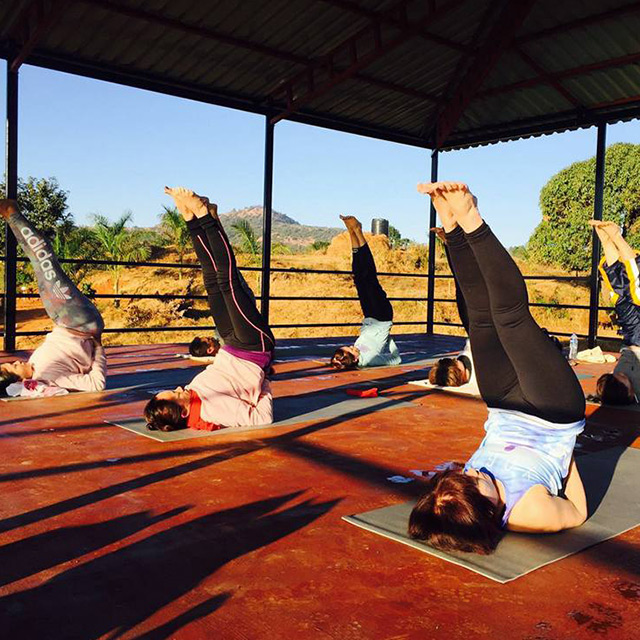
Yoga Retreat
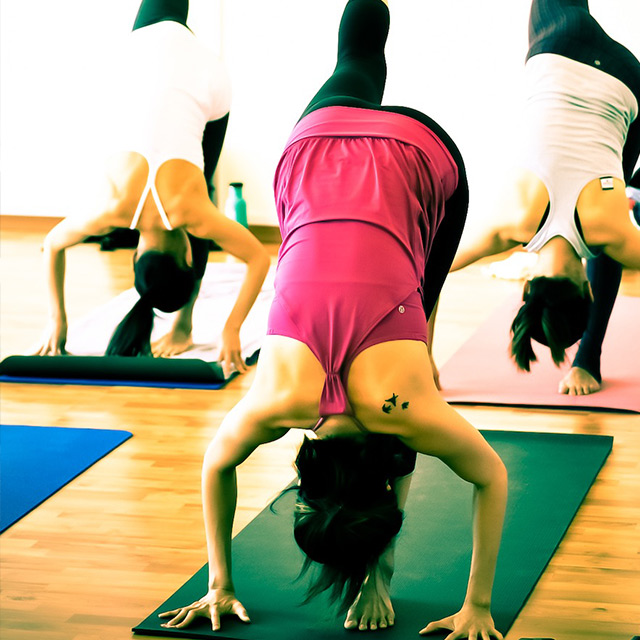
200 hrs TTC
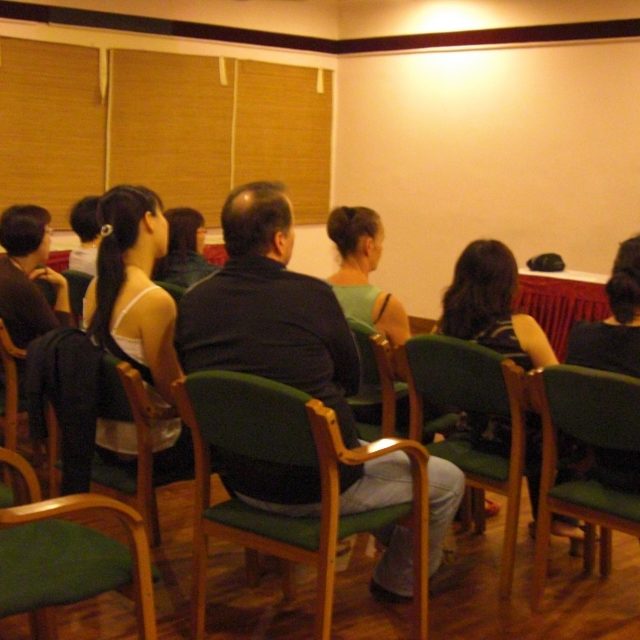
PRACTICE GUIDELINE
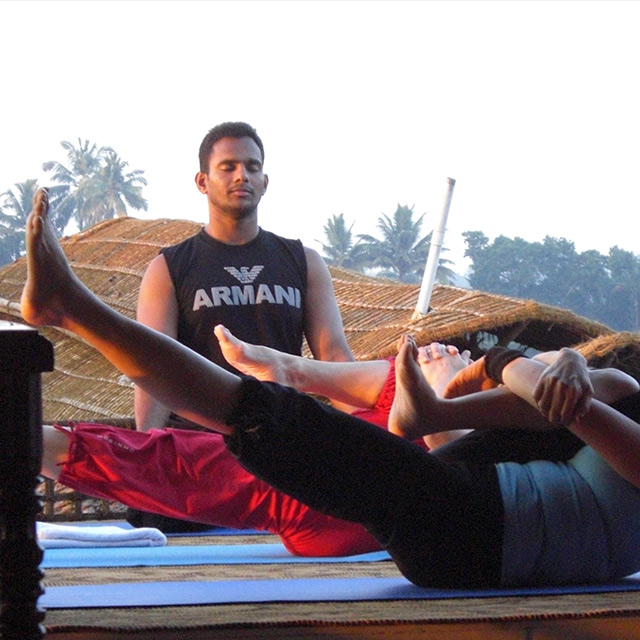
Yoga Sutra I.14
Looking for Yogic help for your backache?
- Are you fed up of all kinds of treatments for your backache? We can help you to manage your backache effectively
- We can guide you for your chronic or acute backache by using yogic techniques.
- If you want to deal with your backache give us a call for appointment or email us to dr.venkysyoga@hotmail.com
- Training venue- Dr.Venky’s Shivshakti Yoga, Vadgaon Maval, Dist – Pune, India
- Mobile : +91 7709311655 (INDIA)
- +65 96759042 (SINGAPORE)
- We can provide residential training for your condition (accommodation, breakfast, lunch and dinner provided) for more details contact us.
- Note– Please do not walk in at training venue,please book your appointment before coming.
Asana
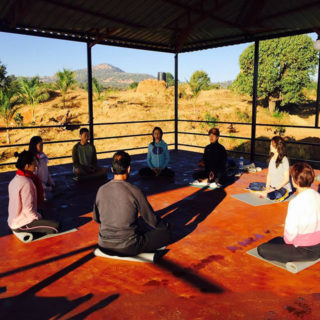
Meditation
• Lowered levels of stress hormones.
• Reduction of free radicals-
• Decreased high blood pressure.
• Higher skin resistance, low skin resistance is correlated with higher stress and anxiety levels.
• Drop in cholesterol levels.
• Improved flow of air to the lungs resulting in easier breathing. This has been very helpful to asthma patients.
Pranayama
What do our clients say about us?
“Dr Venkys teachers training for yoga combines the traditional approach & scientific knowledge into a well-balanced training experience. His theory has anatomy & physiology of the body. Applying his immense knowledge in research papers he explains the science behind yogic practices & postures which is one of the unique features of his training.
His YTTC is very intensive in practice also & he even introduces advance postures. He also guides you with the techniques needed to master these poses. As a person he is very friendly & approachable & always willing to guide you in the right direction. At least for me, it was a life changing experience and helped me move from IT career into teaching yoga Dr Venky’s way”.
Chiaki Moroto (Japan)
Melvyn Goh ( Group ex instructor and fitness professional)
externally on a person. Venky touches on the different postures that were tested in real life in research centres in India, every details
of the results are recorded in terms of the benefits and the way it affects the body. He will elaborate in details how the mechanism in
our body react when one is performing on a particular posture. Unlike most Yoga teachers tend to use sweeping statements like
doing a particular posture can eliminate all diseases.
Techniques were introduced in the course on how a posture can be done during practical time. Other than learning postures,
he also touches on diets – how different types of food is broken down internally and how it will affect the wellness of a person.
I felt that he has given an overall aspects of how a human body works at rest and when practicing yoga, and how yoga can
improve oneself mentally and physically. Most important is you will learn the logic behind each technique and your ability to
understand and explain to others, that will set you differently from the rest of the teachers. I’ve attended different Yoga courses
from different institutions and Venky’s course is by far the most informative and teaches instructors how to teach a class efficiently.
I will highly recommend Venky’s Yoga Teacher Training Course to anyone who wants to become a successful Yoga teacher“.
Suzy Turner
I didn’t just want to learn how to practise yoga postures, I wanted to develop an in-depth knowledge of how yoga can improve people’s lives.
During our 30 day TTC, Dr. Venky was such a pleasure to be around. Although serious when he needed to be, his sense of humour and depth of character was certainly an added bonus. I really feel like I learned a massive amount (I’m still digesting it all!) and don’t know anyone else who could have taught the way he did.
Some time in the future, I hope to further develop my yoga curriculum with the help of Dr. Venky, simply because no one can teach the way he does!
www.suzyturner.com
Sheryl Tang
Contact us or visit us
DR.VENKY’S SHIVSHAKTI YOGA
Singapore
07-13
CALL US NOW
+917709311655 (India)
WRITE TO US
dr.venkysyoga@hotmail.com
Announcement
YOGA RETREAT TO PENANG
Date– 28th May-31st May 2024
Fees- Twin sharing- SGD – 800
Single sharing– 1150
Charges will be different based on
Types of rooms chosen by you.
For more details visit retreat page
300 hrs Advanced YTTC 2024
Weekend batch– Sat & Sunday
Date- 20th April – 30th June 2024. (150 hrs Level one certification)
Time- Sat & Sunday 1 pm –7.00 pm
Admission open, limited seats are available.
Fees- SGD 2640 (15% discount if register before 31st jan 2024)
10% Discount if register after 31st Jan and before 1st April 2024
Venue- Singapore
Admission is open
200 hrs YTTC ,Intensive batch schedule is fixed
For weekend batch please whatsapp to
+917709311655 or 96759042
200 hrs YTTC 2024
Date– 22nd April or 29th April- 17th May 2024
Intensive batch – Monday to Friday
Time- 9.30am- 5.30pm
Fees- SGD 3250
Venue- Singapore
OUR MISSION
“Spread an authentic knowledge of Yoga to live a healthy life.“
(Philosophy, Science and Union of body, Mind and Soul)
We provide Yoga teachers for corporate, group and personal Yoga classes. Our well designed Yoga program definitely will help you to achieve your goal of health. For more details contact to dr.venkysyoga@hotmail.com
YOGA ALLIANCE CONTINUES EDUCATION PROVIDER
REGISTERED YOGA SCHOOL (YOGA ALLIANCE USA)
Location: Singapore, India and Europe
Yoga Courses, Workshops, Retreats and Yoga classes
Our Yoga training is based on scientific and philosophical aspect of Yogic practices.
Yoga Retreat
200 hrs TTC
PRACTICE GUIDELINE
Yoga Sutra I.14
Looking for Yogic help for your backache?
- Are you fed up of all kinds of treatments for your backache? We can help you to manage your backache effectively
- We can guide you for your chronic or acute backache by using yogic techniques.
- If you want to deal with your backache give us a call for appointment or email us to dr.venkysyoga@hotmail.com
- Training venue- Dr.Venky’s Shivshakti Yoga, Vadgaon Maval, Dist – Pune, India
- Mobile : +91 7709311655 (INDIA)
- +65 96759042 (SINGAPORE)
- We can provide residential training for your condition (accommodation, breakfast, lunch and dinner provided) for more details contact us.
- Note– Please do not walk in at training venue,please book your appointment before coming.
Asana
Meditation
• Lowered levels of stress hormones.
• Reduction of free radicals-
• Decreased high blood pressure.
• Higher skin resistance, low skin resistance is correlated with higher stress and anxiety levels.
• Drop in cholesterol levels.
• Improved flow of air to the lungs resulting in easier breathing. This has been very helpful to asthma patients.
Pranayama
What do our clients say about us?
“Dr Venkys teachers training for yoga combines the traditional approach & scientific knowledge into a well-balanced training experience. His theory has anatomy & physiology of the body. Applying his immense knowledge in research papers he explains the science behind yogic practices & postures which is one of the unique features of his training.
His YTTC is very intensive in practice also & he even introduces advance postures. He also guides you with the techniques needed to master these poses. As a person he is very friendly & approachable & always willing to guide you in the right direction. At least for me, it was a life changing experience and helped me move from IT career into teaching yoga Dr Venky’s way”.
Chiaki Moroto (Japan)
Melvyn Goh ( Group ex instructor and fitness professional)
externally on a person. Venky touches on the different postures that were tested in real life in research centres in India, every details
of the results are recorded in terms of the benefits and the way it affects the body. He will elaborate in details how the mechanism in
our body react when one is performing on a particular posture. Unlike most Yoga teachers tend to use sweeping statements like
doing a particular posture can eliminate all diseases.
Techniques were introduced in the course on how a posture can be done during practical time. Other than learning postures,
he also touches on diets – how different types of food is broken down internally and how it will affect the wellness of a person.
I felt that he has given an overall aspects of how a human body works at rest and when practicing yoga, and how yoga can
improve oneself mentally and physically. Most important is you will learn the logic behind each technique and your ability to
understand and explain to others, that will set you differently from the rest of the teachers. I’ve attended different Yoga courses
from different institutions and Venky’s course is by far the most informative and teaches instructors how to teach a class efficiently.
I will highly recommend Venky’s Yoga Teacher Training Course to anyone who wants to become a successful Yoga teacher“.
Suzy Turner
I didn’t just want to learn how to practise yoga postures, I wanted to develop an in-depth knowledge of how yoga can improve people’s lives.
During our 30 day TTC, Dr. Venky was such a pleasure to be around. Although serious when he needed to be, his sense of humour and depth of character was certainly an added bonus. I really feel like I learned a massive amount (I’m still digesting it all!) and don’t know anyone else who could have taught the way he did.
Some time in the future, I hope to further develop my yoga curriculum with the help of Dr. Venky, simply because no one can teach the way he does!
www.suzyturner.com
Sheryl Tang
Contact us or visit us
DR.VENKY’S SHIVSHAKTI YOGA
Singapore
07-13
CALL US NOW
+917709311655 (India)
WRITE TO US
dr.venkysyoga@hotmail.com